
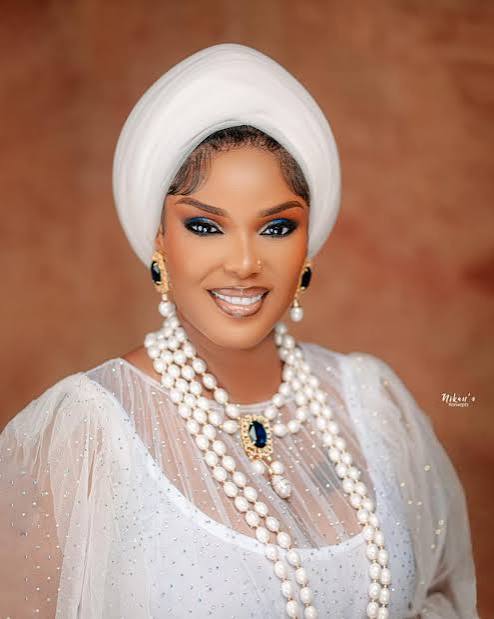
A deeply emotional statement shared online has sparked an important conversation about sexual violence, trauma, justice and the responsibility society has in protecting survivors.
The woman, speaking about her personal experiences, revealed that she had been sexually assaulted multiple times at different periods in her life and by different people.
“I was raped five times in my life, at different times by different people. So if my son, brother or husband ever does that to anybody, I will make sure the person is jailed,” she said.
Her words are painful to read, but they also carry a powerful message: personal relationships should never become an excuse for protecting someone accused of sexual violence.
For many survivors, one of the most difficult parts of speaking out is not only the trauma of what happened to them, but also the fear that society may refuse to believe them. Some victims are blamed for what happened, questioned about their clothing or behaviour, or pressured to remain silent to protect the reputation of the accused.
The woman’s statement challenges that culture of silence.
Her message is clear: regardless of whether the accused is a son, husband, brother, friend or someone close to the family, sexual violence should never be excused.
A Painful Reality Many Survivors Understand
Sexual violence remains one of the most underreported forms of abuse around the world.
Many survivors never report their experiences to the police or other authorities. Some fear retaliation from the perpetrator. Others worry about being publicly shamed, rejected by family members or accused of lying.
For some victims, the accused may be someone they know personally.
This makes the situation even more complicated.
The perpetrator could be a friend, neighbour, colleague, family acquaintance or even a relative. In such situations, survivors may feel trapped because reporting the incident could lead to conflict within families or communities.
The woman’s statement highlights another painful reality: surviving one incident of sexual violence does not automatically protect someone from experiencing abuse again.
Repeated trauma can leave long-lasting emotional and psychological effects. Survivors may struggle with fear, anger, anxiety, trust issues and feelings of isolation.
Yet, despite these painful experiences, many survivors continue to find the strength to speak out and advocate for justice.
That is part of what makes this woman’s statement so powerful.
Rather than allowing personal relationships to influence her view of justice, she said she would support legal consequences even if someone close to her committed such an act.
“Even If It Is My Son”
One of the strongest parts of her statement is the mention of family members.
In many societies, people are often quick to demand justice when a crime is committed by a stranger. However, the situation can become different when the accused is someone they love.
A parent may struggle to accept that their child could commit a serious crime.
A wife may feel pressured to defend her husband.
A sister may be told to protect her brother because “family comes first.”
But the survivor’s statement challenges this mindset.
Loving someone does not mean defending every action they take.
Supporting justice does not mean you hate your family member.
And holding someone accountable for wrongdoing does not mean you have abandoned them.
Instead, accountability can be an important part of preventing future harm.
When families automatically protect accused perpetrators without considering the experiences of victims, they may unintentionally create an environment where abuse continues.
The message from the woman is that sexual violence should be treated seriously regardless of who is involved.
The Culture of Silence Must End
For years, many victims of sexual violence have been pressured to remain silent.
They may hear statements such as:
“Don’t report it because it will bring shame to the family.”
“Think about his future.”
“Are you sure you want to destroy his life?”
“Maybe you misunderstood what happened.”
“Why didn’t you speak earlier?”
These questions and comments can make survivors feel as though they are responsible for the consequences of someone else’s actions.
But responsibility for sexual violence belongs to the person who committed it.
Survivors should not be blamed for speaking out.
They should not be forced into silence to protect the reputation of an accused person.
Society must learn to create safer environments where victims can report abuse without fear of humiliation or intimidation.
That includes families, schools, workplaces, religious institutions and communities.
Justice Is Not About Revenge
The woman’s statement about ensuring that an offender faces jail time is also a reminder that justice and revenge are not the same thing.
Seeking justice means allowing allegations to be properly investigated through lawful processes and ensuring that offenders are held accountable when found guilty.
A society where serious crimes are ignored or hidden cannot effectively protect vulnerable people.
However, justice must also follow due process.
Allegations should be investigated carefully, evidence should be examined and the legal system should be allowed to perform its role.
Supporting survivors and respecting due process can exist together.
Both are important in building a fair society.
Supporting Survivors Matters
When someone shares an experience of sexual violence, the way society responds can make a major difference.
Survivors often need support, safety and access to appropriate professional care.
Instead of immediately questioning or attacking someone who speaks about their experience, people can listen with compassion and encourage them to seek help from trusted professionals, support organisations or appropriate authorities.
Family members and friends also have an important role to play.
Sometimes, simply believing that a person’s pain is real and reminding them that they are not alone can be meaningful.
Victim-blaming, public ridicule and online harassment only make it harder for survivors to come forward.
The conversation must move away from asking, “What did the victim do?” and focus instead on the actions of the person responsible for the violence.
A Conversation Nigeria Must Continue
The woman’s statement has generated reactions because it touches on an issue that affects communities across Nigeria and the world.
Sexual violence is not something that should only be discussed when a shocking story becomes popular online.
It requires continuous education.
Young people need to understand consent, boundaries and respect.
Parents need to teach their children that nobody has the right to force, manipulate or pressure another person into sexual activity.
Communities need to stop protecting perpetrators simply because they are influential, wealthy or connected to powerful families.
And institutions must take allegations seriously and ensure that victims have access to appropriate reporting and support systems.
Turning Pain Into a Call for Accountability
Perhaps the most powerful part of the woman’s statement is that it transforms personal pain into a broader call for accountability.
After experiencing sexual violence multiple times, she could easily have chosen silence.
Instead, she has spoken about her experiences and made it clear that she would not defend sexual violence, even if the accused were someone close to her.
Her message is a difficult but important one.
No family relationship should be used as a shield for wrongdoing.
No survivor should be pressured into silence.
And no society should treat sexual violence as something to be ignored because discussing it makes people uncomfortable.
The fight against sexual violence requires courage from survivors, responsibility from families and accountability from institutions.
As conversations continue, the focus should remain on creating a society where people feel safe, where survivors can seek support without shame and where anyone found responsible for sexual violence faces the consequences of their actions under the law.
The woman’s words may have come from a place of deep pain, but they also carry a powerful demand for change.
Justice should not depend on who the accused person is. Whether a stranger, friend, brother, husband or son, sexual violence must never be excused.
And perhaps that is the message society needs to hear most clearly.