
Introduction
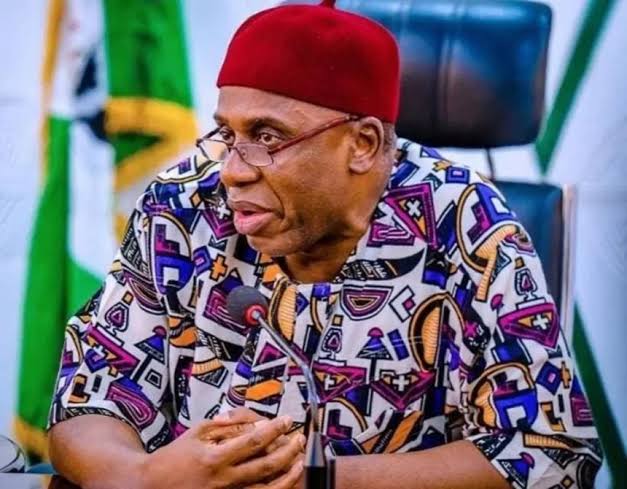
Nigeria’s political landscape witnessed another moment of intense debate and public reflection at the Nigerian Bar Association Annual General Conference (NBA AGC) 2026 held in Rivers State. During a discussion that quickly gained attention both at the conference and across social media platforms, a lawyer openly challenged former Rivers State Governor and African Democratic Congress (ADC) vice-presidential candidate, Rotimi Amaechi, over his comments regarding the presidential ambitions of activist and politician Omoyele Sowore.
The lawyer stated:
“Mr. Rotimi Amaechi, you said Sowore cannot win the presidential election. I can boldly tell you that you cannot win the presidential election either. Mr. Peter Obi of the NDC is the most popular of all the candidates here. Why can’t you people come together?”
The remark immediately sparked conversations about political alliances, electoral realities, opposition unity, and the future of democracy in Nigeria. Beyond the direct criticism of Amaechi, the statement highlighted a broader issue that has continued to shape Nigerian politics: the inability of opposition figures to unite behind a common cause.
The Context Behind the Statement
Nigeria’s political environment has often been characterized by strong personalities, competing ambitions, and fragmented opposition movements. While many politicians share similar goals regarding governance reforms, economic development, anti-corruption measures, and national security, they frequently contest elections separately, thereby dividing their support base.
The lawyer’s statement at the NBA AGC appeared to address this recurring challenge. By questioning Amaechi’s assertion that Sowore could not win a presidential election, the lawyer shifted attention toward a larger issue—whether any of the opposition candidates can realistically succeed independently.
The comment suggested that political popularity, public support, and electoral success are not determined merely by personal ambition or political experience. Instead, they often depend on strategic cooperation and the ability to build broad coalitions.
Rotimi Amaechi’s Political Influence
Rotimi Amaechi remains one of Nigeria’s most prominent political figures. His political career spans decades and includes serving as Speaker of the Rivers State House of Assembly, Governor of Rivers State, Minister of Transportation, and a key player in national politics.
Amaechi has built a reputation as a strong political strategist with extensive experience in governance and administration. His supporters view him as a leader capable of implementing large-scale infrastructure projects and navigating complex political challenges.
However, critics argue that political experience alone may not be enough to secure victory in a modern presidential election. Nigerian voters increasingly demand solutions to pressing issues such as unemployment, inflation, insecurity, and economic hardship. As a result, candidates are often evaluated not only by their political credentials but also by their ability to inspire confidence among the electorate.
The lawyer’s statement reflected skepticism about Amaechi’s electoral prospects, suggesting that popularity and voter appeal may currently lie elsewhere.
Omoyele Sowore and the Challenge of Alternative Politics
Omoyele Sowore has long positioned himself as a voice for political change and grassroots activism. As the founder of the #RevolutionNow movement and a persistent critic of the political establishment, Sowore has attracted support from young Nigerians seeking a break from traditional politics.
Despite his popularity among certain demographics, especially youth and civil society groups, Sowore has struggled to translate activism into widespread electoral success. Critics often argue that his support base, while passionate, remains relatively limited compared to larger political movements.
Amaechi’s reported comment that Sowore cannot win the presidency reflects a viewpoint shared by some political analysts who believe that Nigeria’s electoral system favors candidates with broader political structures and nationwide networks.
However, supporters of Sowore maintain that transformative political movements often begin with seemingly impossible ambitions. They argue that dismissing candidates solely based on previous electoral outcomes ignores the changing nature of political engagement in Nigeria.
Peter Obi’s Rising Political Profile
Perhaps the most significant aspect of the lawyer’s statement was the reference to Peter Obi as “the most popular of all the candidates.”
Over the past several years, Peter Obi has emerged as one of the most influential political figures in Nigeria. His message of prudent governance, accountability, economic reform, and citizen-focused leadership has resonated with millions of Nigerians, particularly young voters and members of the urban middle class.
Obi’s popularity has extended beyond traditional political structures. Through social media engagement, grassroots mobilization, and issue-based campaigns, he has cultivated a dedicated support base that continues to influence national political discussions.
The lawyer’s assertion reflects a perception held by many observers that Obi currently enjoys a level of public recognition and voter enthusiasm that surpasses many of his political competitors.
However, popularity alone does not automatically translate into electoral victory. Elections require organization, coalition-building, voter mobilization, and effective political strategy. Nevertheless, Obi’s perceived popularity makes him a central figure in discussions about opposition unity.
Why Opposition Unity Matters
The most important question raised by the lawyer was simple yet profound:
“Why can’t you people come together?”
This question touches on one of the most debated issues in Nigerian politics.
Throughout the country’s democratic history, opposition parties and candidates have often struggled to unite around a common agenda. Personal ambitions, ideological differences, regional considerations, and party interests frequently prevent collaboration.
When opposition figures contest elections separately, they risk splitting votes among supporters who desire similar outcomes. This fragmentation can reduce their chances of defeating better-organized political rivals.
Political analysts often argue that coalition-building is essential for creating competitive elections. By combining resources, support networks, and voter bases, opposition leaders may improve their chances of achieving meaningful political change.
The lawyer’s challenge therefore extends beyond Amaechi, Sowore, and Obi. It is a question directed at the broader opposition movement and its willingness to prioritize collective objectives over individual aspirations.
The Public Reaction
Statements like the one made at the NBA AGC tend to generate strong reactions from different segments of society.
Supporters of Peter Obi may view the comment as recognition of his growing influence and political appeal. They may argue that opposition leaders should rally around the candidate with the strongest public support.
Supporters of Amaechi may reject the lawyer’s assessment, emphasizing his extensive political experience and national reach. They may argue that elections are won through organization and strategy rather than popularity contests.
Meanwhile, Sowore’s supporters may interpret the exchange as another example of established politicians underestimating alternative political movements and youth-driven activism.
The diversity of reactions demonstrates the complexity of Nigeria’s political landscape. Different groups evaluate leadership through different lenses, making consensus difficult but not impossible.
Lessons for Nigerian Democracy
The exchange at the NBA AGC offers several lessons about democracy and political participation.
First, it highlights the importance of open dialogue. Democratic societies thrive when citizens, professionals, and political leaders can openly challenge ideas and engage in constructive debate.
Second, it demonstrates that voters are increasingly focused on outcomes rather than political titles. Nigerians want leaders who can address economic challenges, improve security, create jobs, and strengthen public institutions.
Third, it reinforces the significance of coalition-building. Successful political movements often require collaboration among individuals and groups with shared goals.
Finally, it reminds political leaders that public perception matters. In an age of instant communication and social media influence, popularity, credibility, and public trust play critical roles in shaping electoral success.
Conclusion
The lawyer’s remarks to Rotimi Amaechi at the NBA AGC 2026 were more than a personal criticism. They reflected broader questions about leadership, popularity, political strategy, and opposition unity in Nigeria.
By challenging Amaechi’s assessment of Sowore and highlighting Peter Obi’s popularity, the lawyer brought attention to an issue that continues to shape the nation’s political future: whether opposition leaders can overcome their differences and work together toward a common goal.
As Nigeria moves closer to future electoral contests, discussions about alliances, coalition-building, and effective leadership are likely to intensify. Whether political actors choose competition or cooperation may significantly influence the direction of the country’s democracy.
Ultimately, the question asked at the conference remains one that many Nigerians continue to ask:
If the goal is national progress, why can’t leaders with similar aspirations come together for the greater good?